
Does Keratin Damage Your Hair?

Keratin treatments are often known for making hair smoother and easier to manage. But a common question is whether they can damage your hair over time.
The answer isn't simply yes or no.
In many cases, keratin treatments are safe when matched correctly to your hair. But on certain hair types—or when done too aggressively—they can lead to dryness or breakage.
A proper consultation helps determine what's appropriate for your hair before moving forward.
Does Keratin Actually Damage Your Hair?
Keratin itself does not damage your hair.
However, the process—especially heat and product strength—can affect your hair's condition over time.
In some cases, damage can happen when:
- The formula is too strong for your hair
- Heat is too high or repeated too many times
- Hair is already fragile or overprocessed
This is why application and hair history matter more than the treatment alone.
Who Is Most at Risk for Damage?
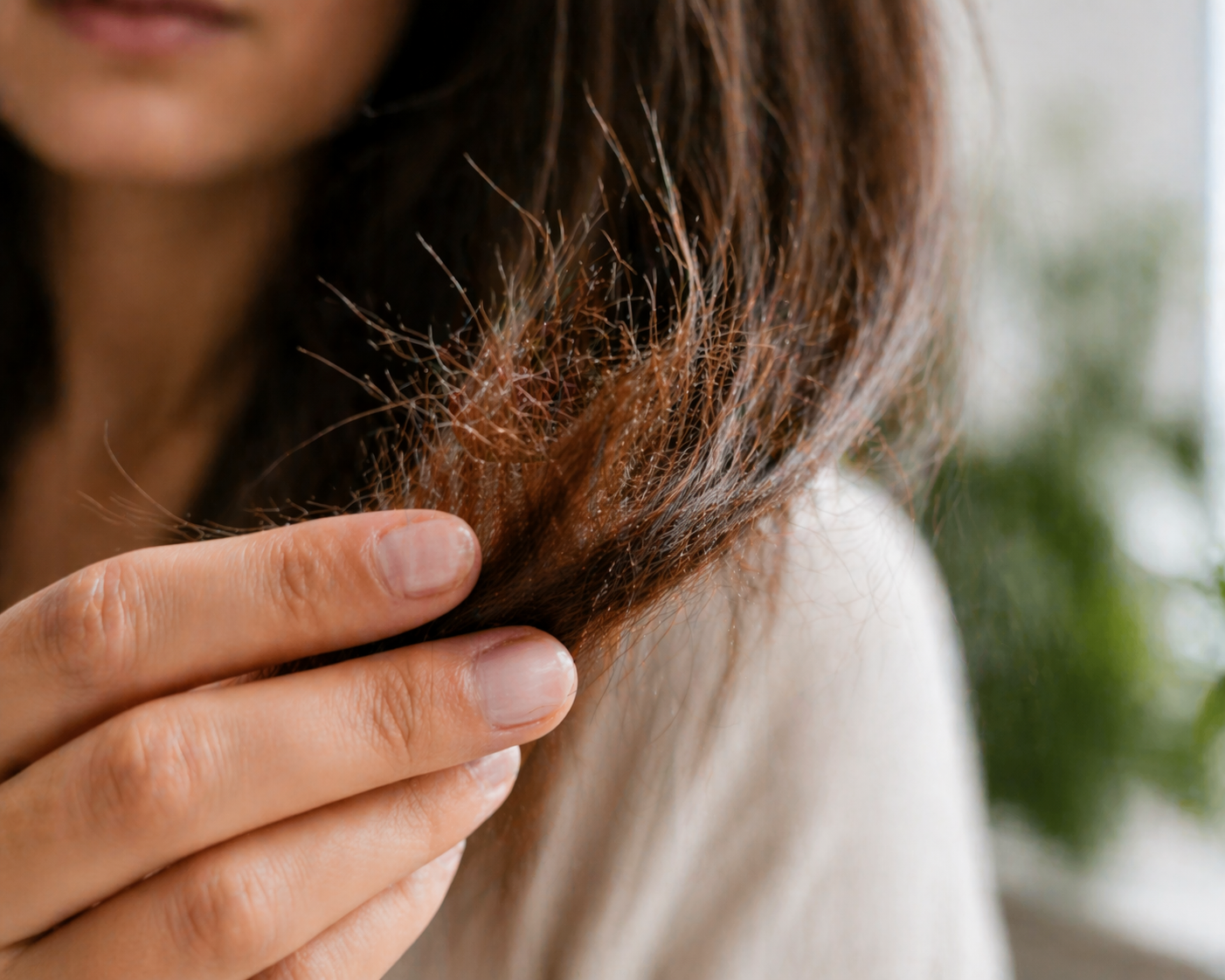
Some hair types require more caution.
Risk is higher if your hair is:
- Lightened or bleached
- Already breaking or shedding
- Very fine or delicate
- Highly porous
In these cases, adding more heat and chemical processing can increase stress on the hair.
When Keratin Can Be Helpful Instead
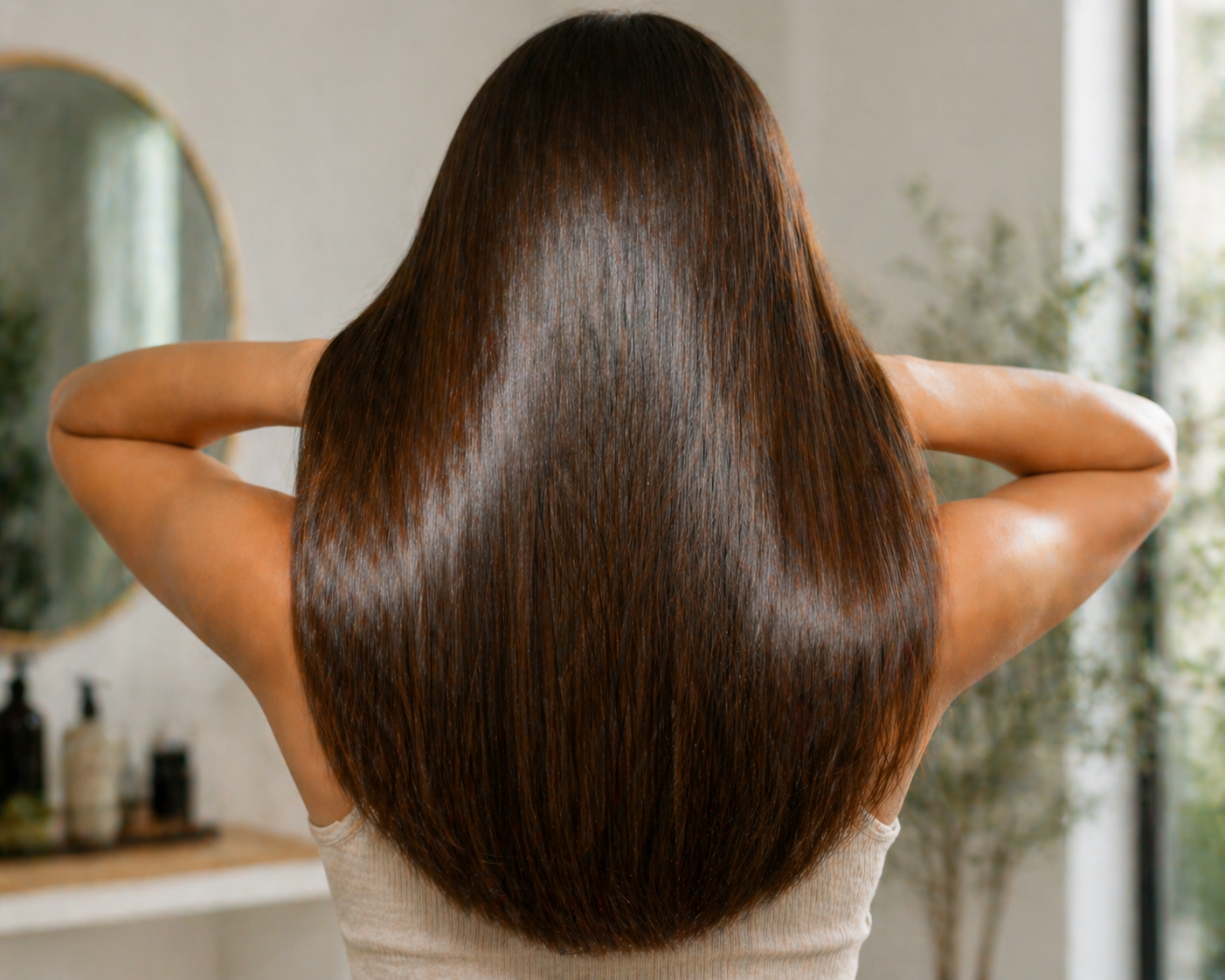
For the right hair type, keratin can actually improve manageability.
In many cases, it helps:
- Reduce frizz
- Smooth the cuticle
- Shorten styling time
- Improve overall appearance
If you're considering a keratin treatment in Jacksonville, matching the formula to your hair is what makes the difference.
What Actually Causes Damage During Keratin?
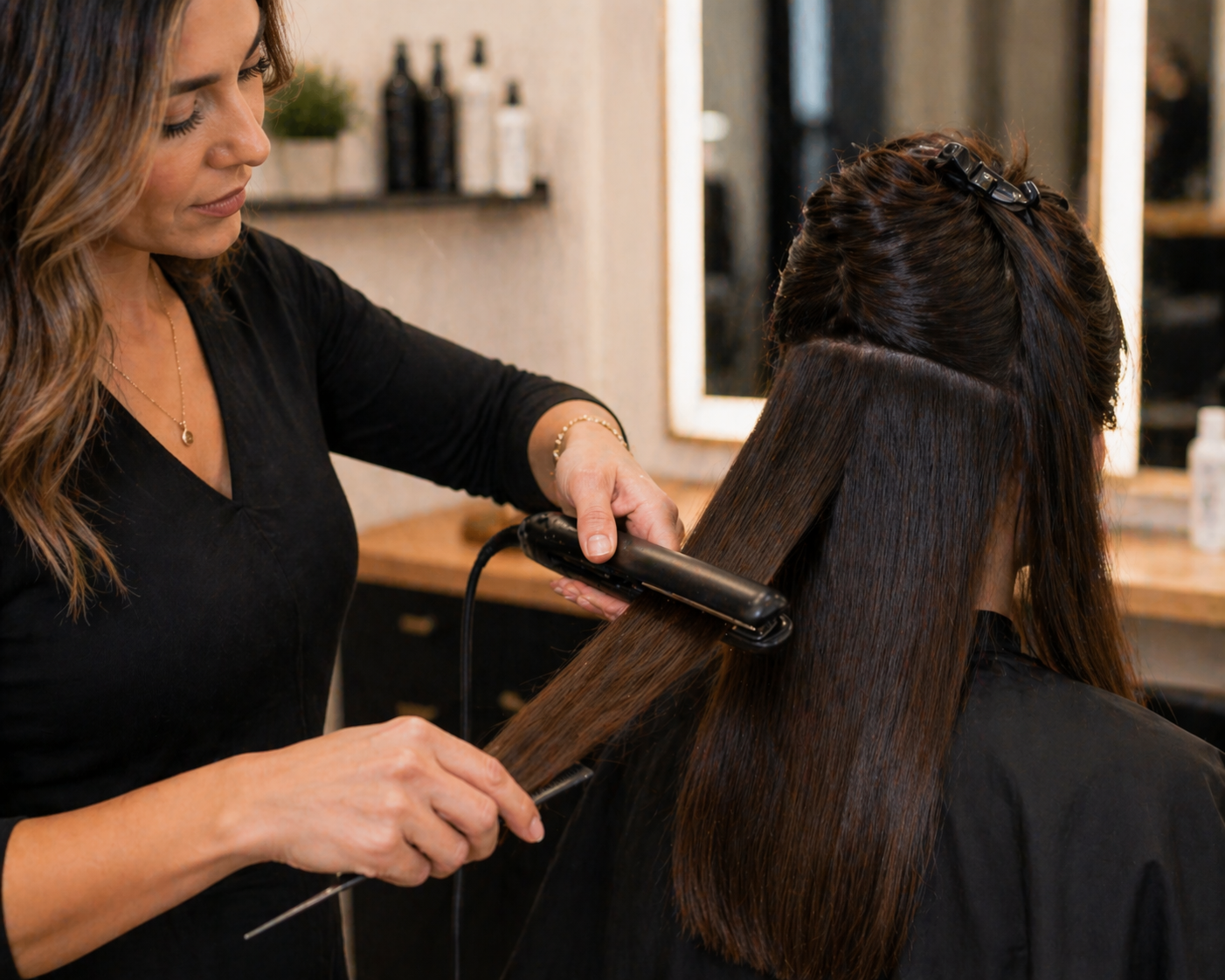
Most issues come from the process, not the concept.
Damage is more likely when:
- Excessive heat is used
- Too many passes are done with a flat iron
- Treatments are repeated too frequently
- Hair is already compromised
Controlled application is what protects hair integrity.
Can Keratin Change Your Curl Pattern?
Keratin treatments can soften or loosen your natural texture.
This is usually temporary, but in some cases it may last longer depending on:
- The formula used
- Your curl pattern
- Your hair's history
This is something that should always be discussed during a consultation.
How to Reduce the Risk of Damage

A consultation-first approach makes the biggest difference.
To reduce risk:
- Choose the right formula for your hair
- Adjust heat levels appropriately
- Avoid overlapping treatments
- Space appointments properly
This helps keep results controlled and predictable.
Signs Your Hair May Be Overprocessed
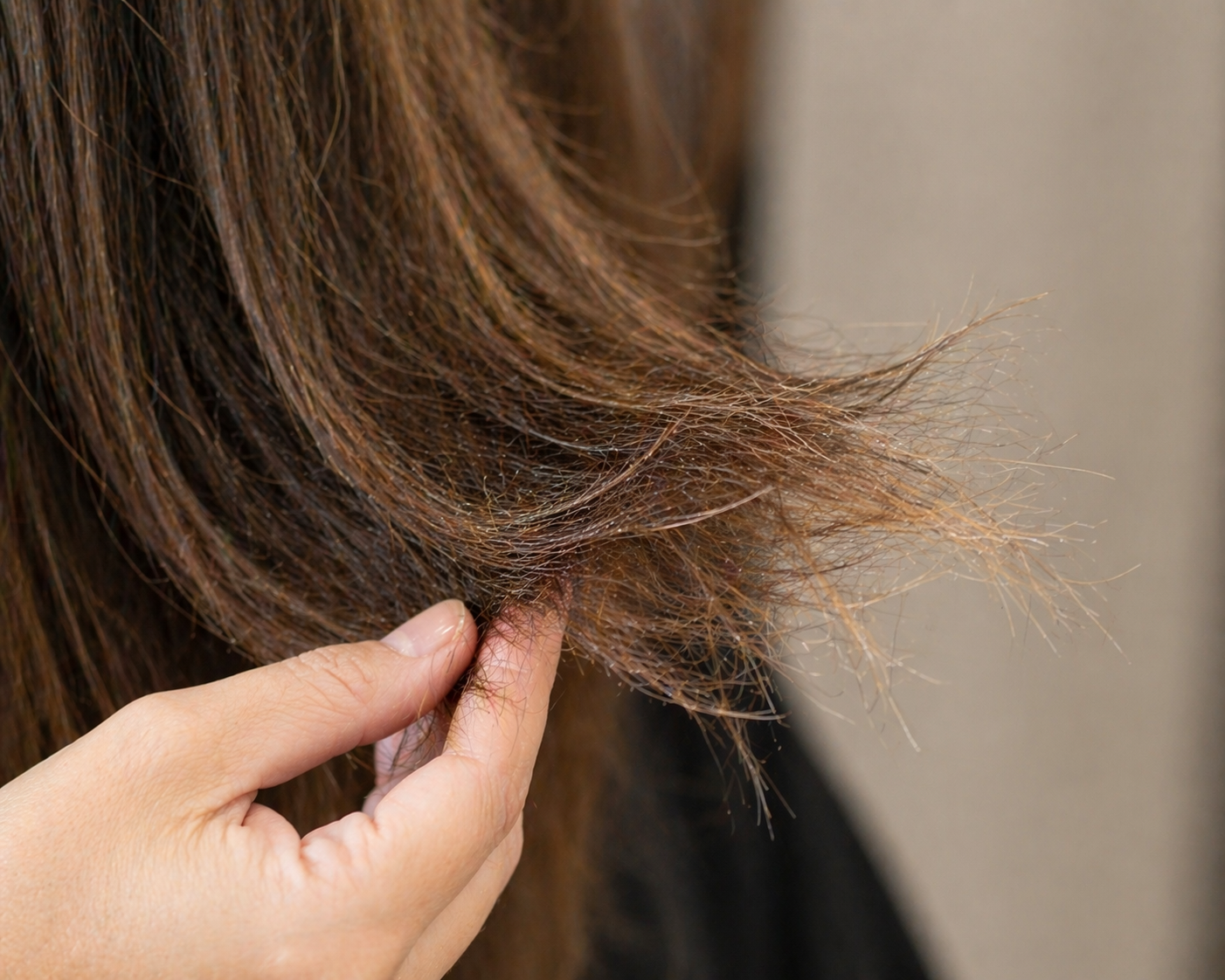
If your hair has been pushed too far, you may notice:
- Increased breakage
- Rough or dry texture
- Loss of elasticity
- Hair feeling stiff or brittle
If this happens, it's usually best to pause chemical services and focus on repair.
Are There Safer Alternatives?
Keratin is not the only option for smoother hair.
In some cases, you may benefit from:
- Gentler smoothing treatments
- Deep conditioning or bond-building
- Adjusted haircut or styling approach
The goal is always to support your hair—not force a result.
FAQ: Does Keratin Always Cause Damage?
No. When done correctly and on the right hair type, keratin does not typically cause damage. Problems usually come from overprocessing, excessive heat, or applying the treatment to already weakened hair.
FAQ: How Often Is Too Often for Keratin?
Most hair benefits from spacing treatments at least 3–4 months apart. Doing them too frequently can increase dryness and reduce hair strength over time.
Final Thoughts
Keratin treatments are not inherently damaging—but they are not one-size-fits-all.
In many cases, they can improve manageability and reduce frizz. But if your hair is already fragile or overprocessed, the same treatment can create stress instead of helping.
If you're unsure what your hair needs, working with a Jacksonville hair stylist who focuses on hair integrity can help you make the right decision.
The best place to start is with a consultation.
Start with a Consultation
Protect your hair's integrity. Let's discuss your goals and find the right approach for your texture.
Request Your Consultation